
The Arctic Giant You Never Knew About
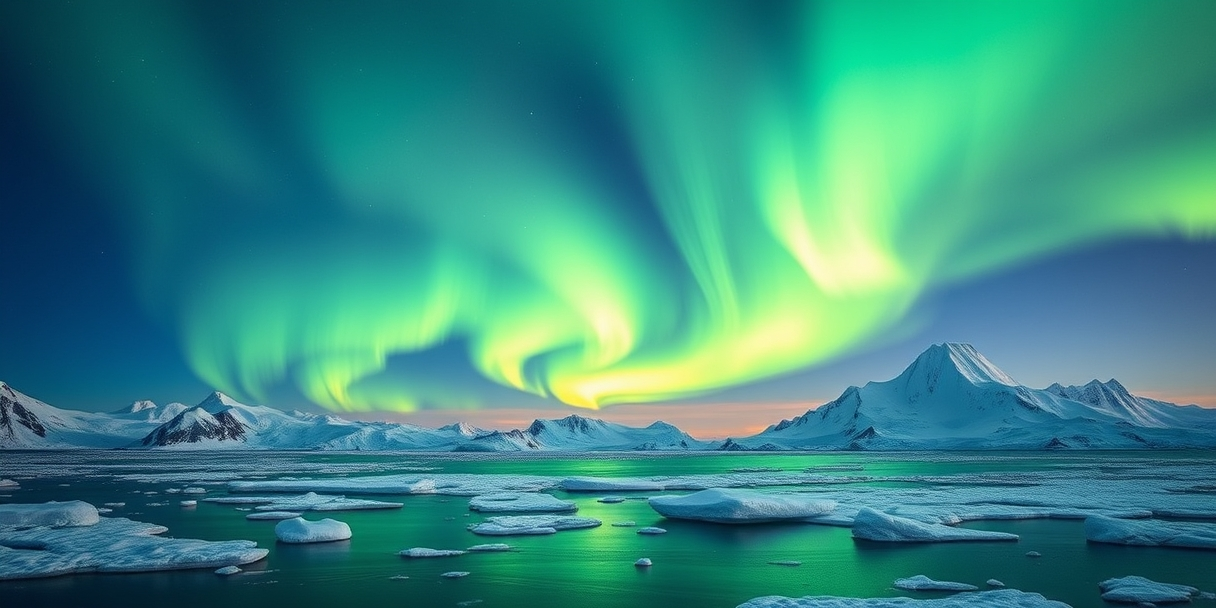
When you think of Greenland, you might picture vast icy landscapes, the Northern Lights, or maybe even a lonely polar bear. But this massive island – yes, it’s the world’s largest island! – is so much more than just a frozen wilderness. Hidden beneath its icy surface and quiet communities lies a growing geopolitical hotspot that’s catching the attention of powerful nations.
Greenland sits right in the middle of the Arctic, a region that’s becoming increasingly important as climate change melts ice and opens up new shipping routes and access to resources. Countries like the U.S., China, and Russia are all watching Greenland closely, not just for its strategic location but also for its rare minerals, fresh water, and potential oil reserves. Even though it’s part of Denmark, Greenland has its own government and is slowly moving toward more independence. This mix of natural wealth and shifting politics makes Greenland a quiet but crucial player on the world stage. So, why should you care? Because what happens here could shape the future of global trade, security, and even the environment. Let’s dive in!
Greenland’s Strategic Location
Greenland is the world’s largest island, sitting like a giant sentinel between the Arctic and Atlantic Oceans. Its position makes it a crucial waypoint for shipping routes and military movements. Imagine a chessboard where Greenland is the center square whoever controls it has a strong advantage. During World War II, the U.S. built airfields here to monitor Nazi activity and protect Allied supply lines. Today, as Arctic ice melts, new shipping lanes are opening, and Greenland’s location becomes even more valuable. Countries like China and Russia are watching closely, seeing opportunities for trade and influence.
Rich Natural Resources
Beneath Greenland’s icy surface lie vast deposits of rare earth metals, uranium, oil, and gas. These resources are like buried treasure, waiting to be uncovered. For example, the Kvanefjeld project in southern Greenland holds one of the world’s largest deposits of rare earth elements critical for smartphones, electric cars, and military tech. As global demand for these materials grows, Greenland’s resources could reshape economies. China currently dominates the rare earth market, but Greenland offers a chance for other nations to reduce dependence on a single supplier.
Climate Change and Global Influence
Greenland’s ice sheet is melting faster than ever, adding to rising sea levels worldwide. This isn’t just an environmental issue, it’s a geopolitical one. As ice retreats, new shipping routes like the Northwest Passage become viable, cutting travel time between Europe and Asia. Nations are already jockeying for control. Russia has expanded its Arctic military presence, while the U.S. reopened a Cold War-era base in Greenland to maintain its footprint. Even China, though far from the Arctic, has declared itself a “near-Arctic state” and invested in Greenland’s mining sector.
Autonomy and International Interest
Greenland is an autonomous territory of Denmark, but its people have growing ambitions for independence. With its small population of about 56,000, Greenland relies heavily on Danish subsidies. but, its resource wealth could change that. If Greenland gains full independence, it would need strong allies likely the U.S. or China to support its economy and defense. Denmark, the U.S., and other NATO members are wary of China’s investments, fearing they could lead to political influence. In 2019, the U.S. even offered to buy Greenland, a move that sparked global debate.
The Future of Greenland’s Role
Greenland’s future will shape global politics in the Arctic. As climate change opens new opportunities, competition for resources and influence will intensify. The island could become a key player in energy markets, a military stronghold, or a battleground for superpower rivalry. For now, Greenland walks a tightrope balancing its desire for independence with the need for economic stability. The world is watching, knowing that what happens here will ripple across continents.
Why Greenland Matters More Than Ever
Greenland’s strategic significance extends far beyond its icy landscapes. As climate change reshapes the Arctic, this autonomous territory is becoming a focal point for global powers vying for resources, shipping routes, and military influence. Its vast mineral deposits, fresh water reserves, and geopolitical position between North America and Europe make it a key player in the 21st century. The interplay between indigenous governance, Danish sovereignty, and international interest highlights the delicate balance between development and preservation.
For readers, the takeaway is clear: Greenland’s future will impact energy markets, environmental policies, and international relations. Whether through sustainable investment, diplomatic engagement, or simply staying informed, understanding Greenland’s role helps us navigate the broader shifts in global power dynamics. The Arctic is no longer a remote frontier, it’s a stage where the next chapter of geopolitics is being written.
Leave a Reply