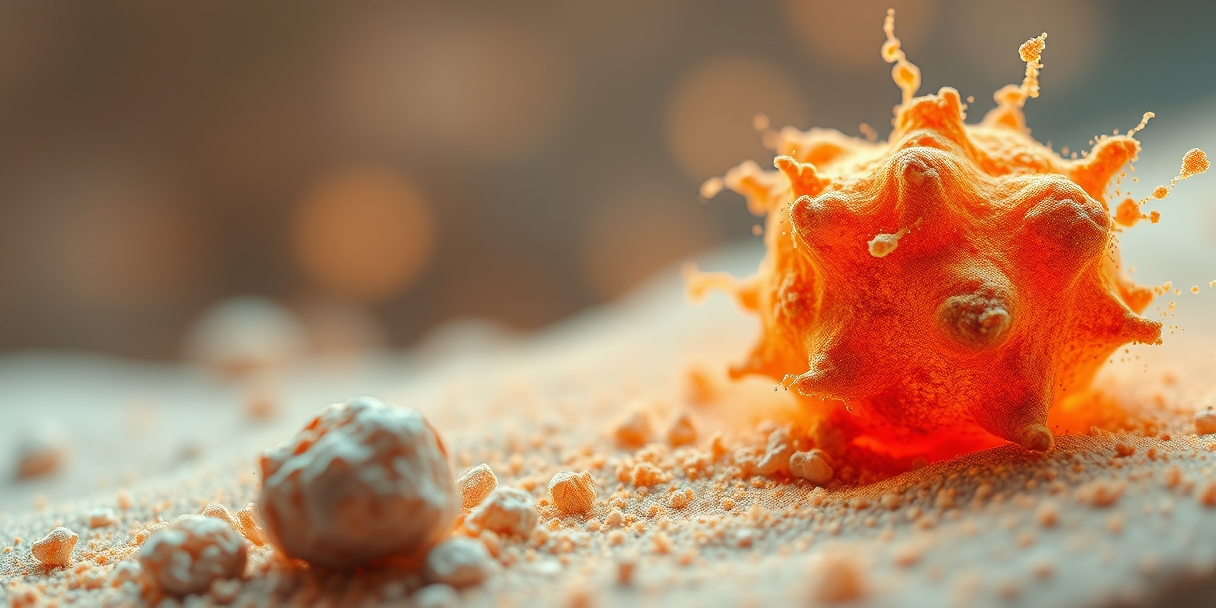
Imagine a tiny speck of dust containing enough energy to power an entire city for a year.
It sounds like something out of a science fiction movie, but it is actually the reality of how our universe works. We often hear about Albert Einstein’s famous equation, E = mc2, when discussing how stars shine or how atoms behave. This formula basically tells us that mass and energy are two sides of the same coin.
Understanding this connection is no longer just for physicists in lab coats. As we look for ways to power our homes without harming the planet, the secrets held within the atom become incredibly practical. This mathematical rule is the foundation for how we harness massive amounts of power from very small amounts of matter.
By looking at how this tiny formula translates into massive electricity, we can see why nuclear energy is such a huge topic of conversation right now. We will explore how these microscopic reactions are used to fuel our modern world.
Why It Matters
You might remember Albert Einstein’s famous equation, E = mc2, from high school science class. Most people think it is just a math puzzle, but it actually describes the secret recipe of our universe. This tiny equation tells us that energy and matter are actually two sides of the same coin.
When a tiny bit of matter turns into energy, the result is massive. This discovery changed everything because it showed us how much power is hidden inside even the smallest atom. Understanding this connection is the key to unlocking how stars shine and how we can power entire cities.
How It Works
At the heart of nuclear energy is the atom. Atoms are the tiny building blocks of everything you see around you. Inside an atom, there is a nucleus held together by incredible forces. When we split that nucleus apart, a small amount of mass disappears.
That missing mass does not simply vanish into thin air. Instead, it transforms into a huge burst of heat and light. This process is called fission. We use that heat to boil water, create steam, and spin turbines that generate electricity for your home.
Real-World Examples
Nuclear energy is not just a theoretical concept from a textbook. It is a massive part of the global power grid. Many countries rely on it to provide steady electricity without relying on fossil fuels.
France is a standout example of this technology in action. About 70 percent of the electricity produced in France comes from nuclear power plants. This helps the country maintain one of the lowest carbon footprints in Europe. By using atoms instead of coal, they keep the lights on while reducing greenhouse gases.
What You Can Do
Learning about nuclear energy helps you become a more informed citizen. As technology advances, you will likely see more discussions about how we power our future. Here are a few ways you can stay involved.
- Read news from diverse scientific sources to understand different viewpoints.
- Look into local energy policies to see how your region generates power.
- Support research into safer and more efficient nuclear technologies.
- Discuss the pros and cons of different energy types with friends.
The Big Picture
Einstein’s famous equation is much more than a math problem on a chalkboard. It reveals that matter is essentially a highly concentrated form of energy. By tapping into this relationship through fission, we can unlock immense power from the tiniest particles. This process allows us to turn a small amount of physical material into enough heat to drive massive turbines and light up our homes.
While the science behind splitting atoms is complex, the goal is quite simple. We are learning how to harness the fundamental rules of the universe to meet our modern energy needs. As we continue to study how mass transforms into power, our ability to generate electricity more efficiently will likely grow. Next time you flip a light switch, remember the tiny atoms working hard behind the scenes.
Leave a Reply